Weird Kids Font: Playful Script for Web Design
As a web designer, I'm always on the lookout for fonts that add character without sacrificing usability. Weird Kids is a handwritten script font that brings a unique energy to digital projects. Its organic flow and playful tone make it ideal for creative websites, branding, and design assets.
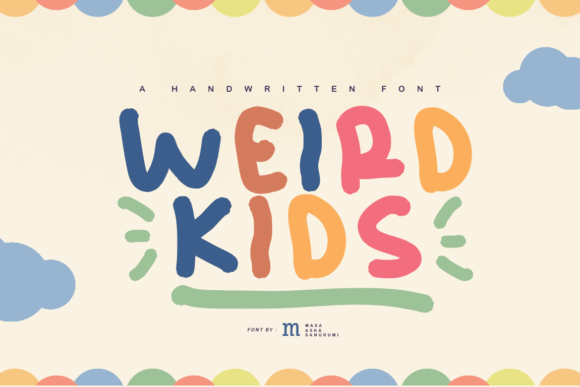
The font's visual characteristics are unmistakable. Each letter has a slightly irregular shape, mimicking natural handwriting. This gives it a personal, authentic feel that stands out in a sea of rigid typefaces. The strokes vary in weight, creating a dynamic rhythm that enhances visual interest.
When used in web design, Weird Kids excels as a display font. It works best in headlines, call-to-action buttons, and section titles where boldness and personality matter. Its casual yet polished look makes it suitable for modern typography in landing pages, portfolio sites, and creative brand identities.
Applications in Web Design
For a creative portfolio site, Weird Kids can be used in the hero section to draw attention to the designer's name or a key message. In an online store, it adds flair to banners and product headings, making them more engaging. On a coaching website, it can highlight motivational phrases or service titles.
On mobile screens, the font maintains legibility when used at larger sizes. For small buttons or short text blocks, it works well as long as the contrast is high and the background is simple. When placed over images or dark backgrounds, it benefits from a light color or white outline to ensure visibility.
In responsive layouts, Weird Kids pairs well with sans serif fonts for body copy. This contrast creates a clear visual hierarchy, allowing the decorative elements to stand out while keeping the main content easy to read. For editorial designs, it can be paired with a serif font to create a balanced, professional look.
Brand Identity and User Engagement
Weird Kids influences how users perceive a brand. Its informal style can convey creativity, approachability, and fun—ideal for startups, art collectives, or lifestyle brands. However, it's less suited for formal industries like finance or legal services, where a more traditional typeface might be preferable.
When used in conversion-focused layouts, such as sales pages or sign-up forms, the font should be applied sparingly. Overuse can reduce readability and distract from the primary message. Instead, use it for key phrases, logos, or decorative accents that reinforce the brand's personality.
For a boutique online store, Weird Kids can be used in product titles, promotional banners, and social media graphics. On a course sales page, it adds a friendly touch to headlines and feature highlights. In a blog header, it sets a conversational tone that invites readers to engage with the content.
Practical Considerations
Before using Weird Kids in a project, check the available styles and file formats. Most script fonts come in multiple weights or alternates, which can be useful for different design needs. Ensure the font supports the languages used in your target audience, especially if you're designing for international markets.
Webfont availability is crucial for digital projects. If the font is available as a web-safe format, it can be easily integrated into CSS without relying on image assets. This improves performance and ensures consistent rendering across devices.
Commercial licensing is another important factor. Make sure the font license covers all intended uses, including client projects, online stores, and digital templates. Some fonts may require additional licenses for commercial applications, so always review the terms carefully.
When pairing Weird Kids with other fonts, focus on balance. A decorative script font works best when contrasted with a clean, readable typeface. This combination enhances readability while maintaining visual appeal. Avoid using multiple script fonts in the same design, as this can create a chaotic appearance.
Final Thoughts
Weird Kids is a versatile tool for web designers looking to add personality to their projects. Its handwritten style brings warmth and creativity to digital experiences, making it perfect for brand-focused web design. Whether used in a hero section, a call-to-action button, or a logo, it contributes to a cohesive and engaging online identity.